1951 10/5/2008
1951 10/5/2008
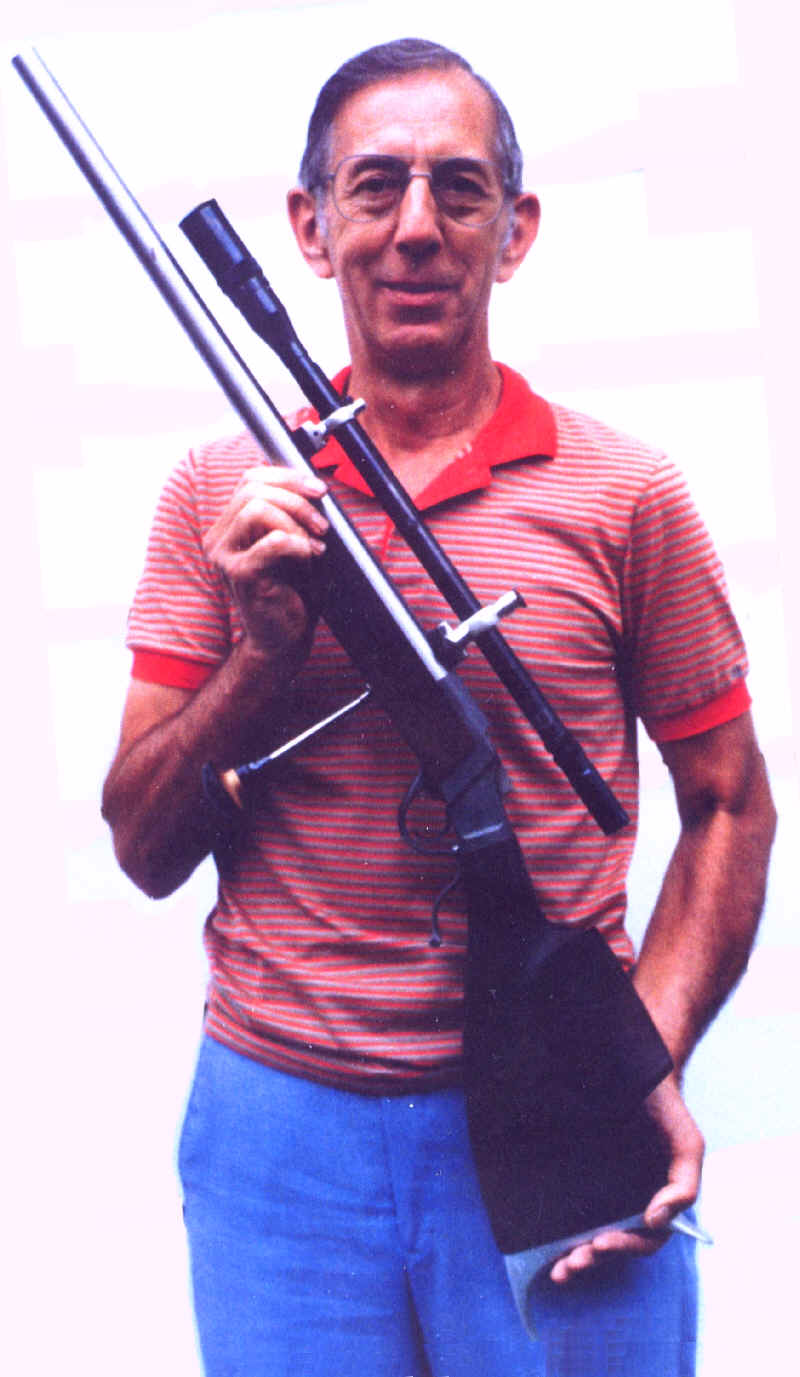
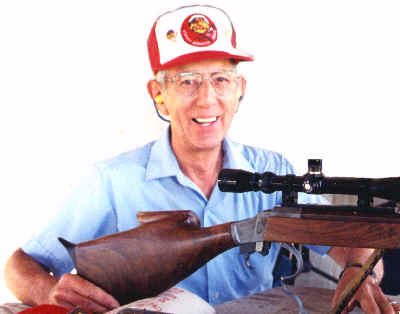
Mr. Edward J. Yost (1923 - 1990)
~~~~~~~~~~~~~~~~~~~~~~~~~~~~~~~~~~~~~~~~~~~~~~~~~~~
Following is a letter that was hand written by Ed Yost.
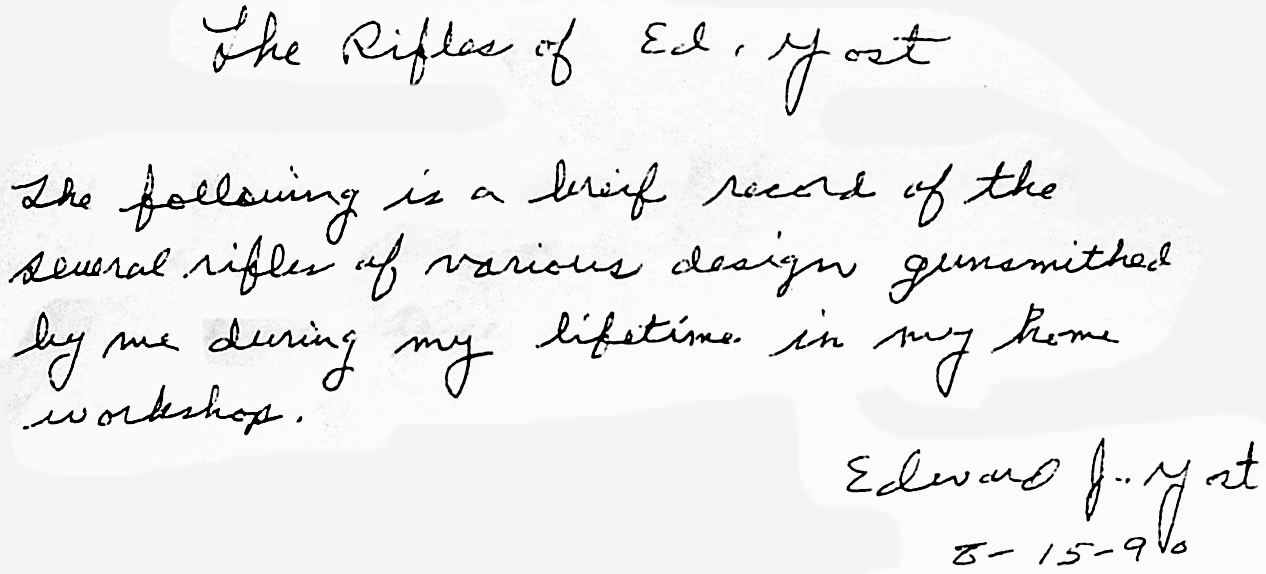
Here is a portion of Ed Yost's original hand written letter.
The following text is transcribed from that letter. Captioned Photographs have been inserted to better tell the story.
"The Rifles of Ed Yost"
"The following is a brief record of the several rifles of various design gunsmithed by me during my lifetime in my home workshop." Edward J. Yost 8-15-90
"It was in 1938 I first became acquainted with Dr. W. T. Disch, a dentist in Winneconne, Wis. and William Staege, a lifetime practicing gunsmith of Omro, Wis. (click for info)
These two respected gentlemen allowed me to ride along to the Black Wolf Schuetzen Club southeast of Oshkosh on Sunday afternoons. I spent many happy hours pulling targets at first and then later being allowed to shoot a .22 at 200 yds. offhand. I have many pleasant memories of those early days mingling with the older shooters who were using false muzzle loading 32-40 rifles and watching the .22’s come into popular use.
The years slipped by and I was drafted into the Army ordnance in 1942 serving in Europe until early spring of 1946.
During those war years I managed to save a few dollars and put some of it to good use by purchasing a Staege Ballard .22 Schuetzen rifle from Bill Staege. I still have this rifle and I will shoot it from time to time as long as I can hold it.
During the 40’s, Bill Staege made .22 actions of his own design that were simple and dependable. They were bolt actions somewhat like a 52 Win. My skill as a machinist led me to building two, similar to Bill’s, in my developing home workshop. One action was completed and stamped #1952-4, the time period when made. This first rifle was a gallery rifle using a Win 52 box magazine and clip.
The following years were very busy. I got married, built a home, and raised four children.....
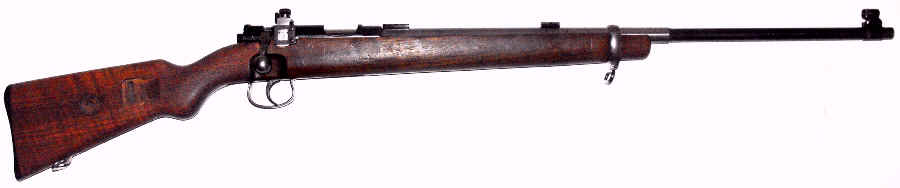
Ed Yost brought back this 22 cal Gustloff-Werke KKW Trainer from WWII.
He later transformed it into an outstanding "Target Rifle" for his son. 1969
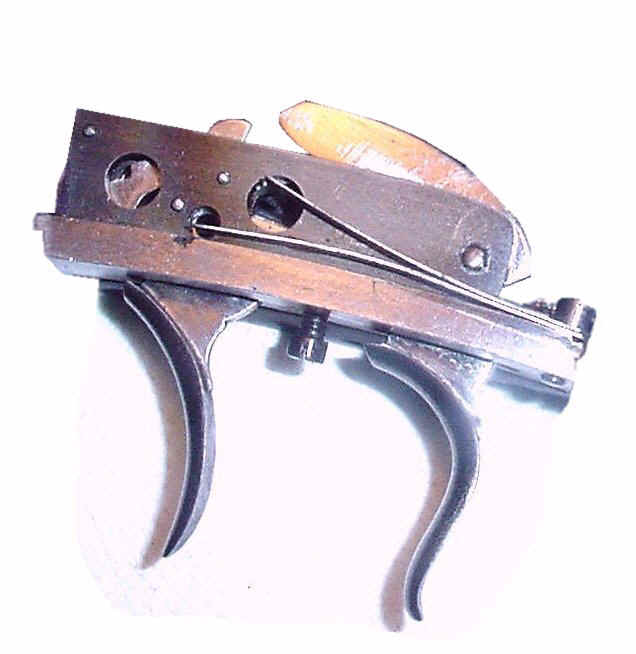
.....There was little time for home shop and only a rare occasion to do some shooting. But there was time for dreaming. I always wanted to build my own Schuetzen rifle and so I started to look for a design for that first one. My interest turned to the Lechner / Buchel design mostly because of the striker and its fast lock time. I had a double set trigger that followed me home from WWII that came from a Zimmer-Schuetzen that could be fitted to anything I built."
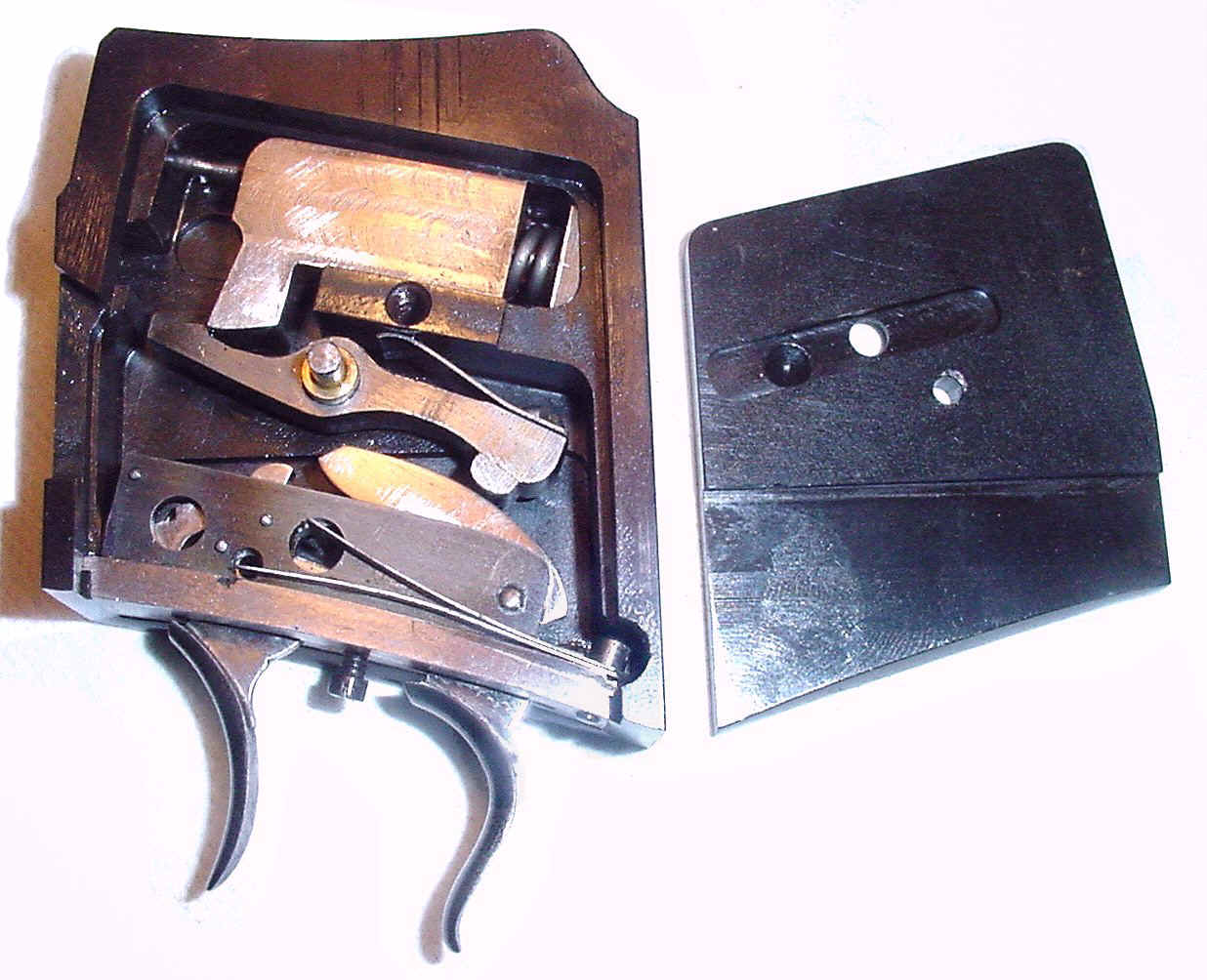
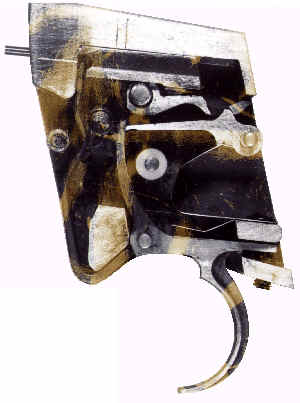
The Zimmer-Schuetzen trigger assembly that Ed Yost brought back from Germany.
"Having never seen a Lechner, I wanted to find one to look over before starting to build one to be more sure of going that route. Goergen of Minnesota was contacted hoping he may have one in his vast collection. He did not, but advised me to contact other sources who steered me onto Norm Miller of Oshkosh who had one in his collection."
The original Lechner rifle that was once owned by Norm Miller of Oshkosh, Wis. This rifle was built by the Famed stock maker, Leonard Mews of Appleton, Wis. in 1950. Leonard had his friend P.O. Ackley, install the barrel.
"Norm allowed me to look it over and
since I couldn’t afford to buy it, I thanked him and announced that I would go home and build one of my own with some design changes."
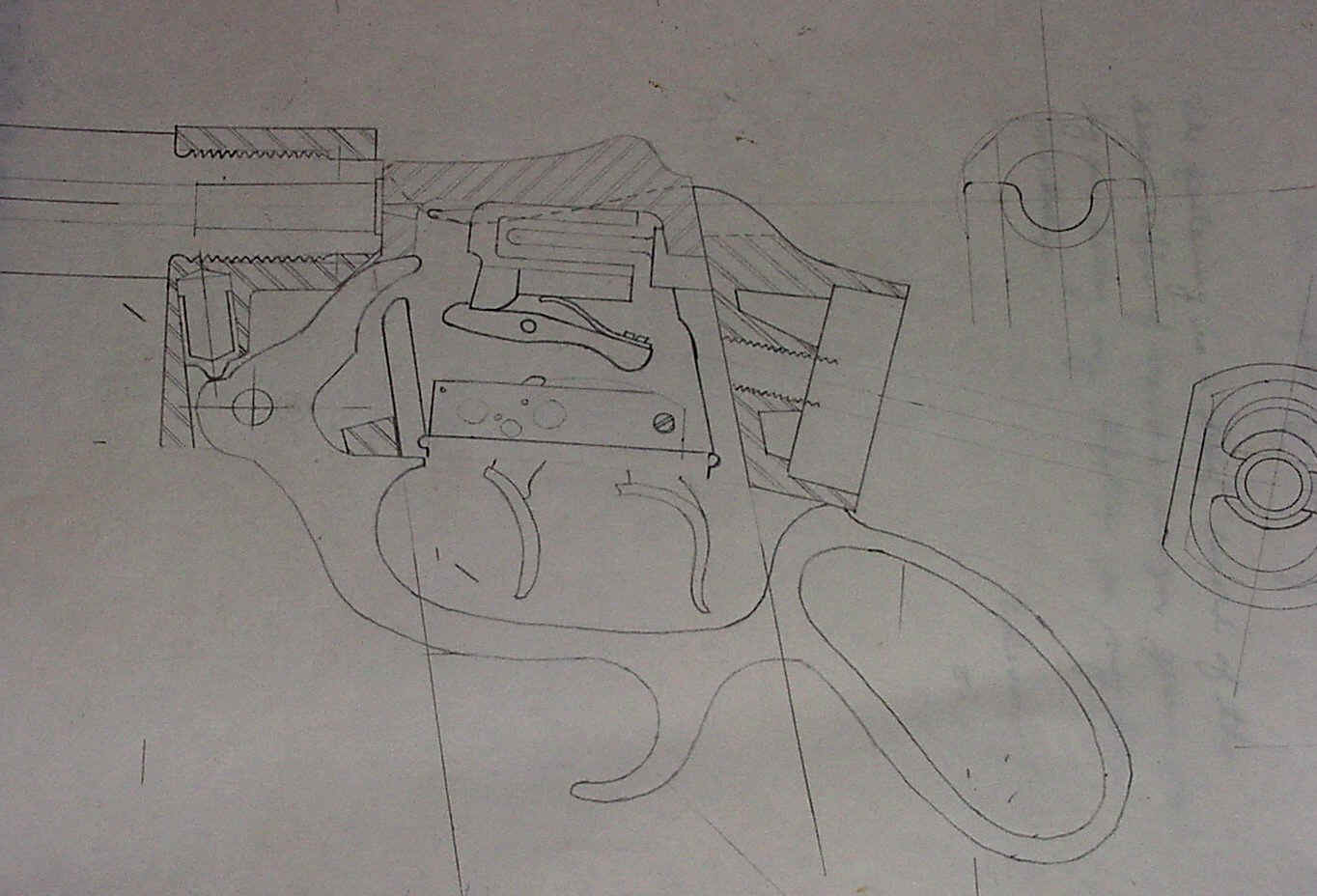
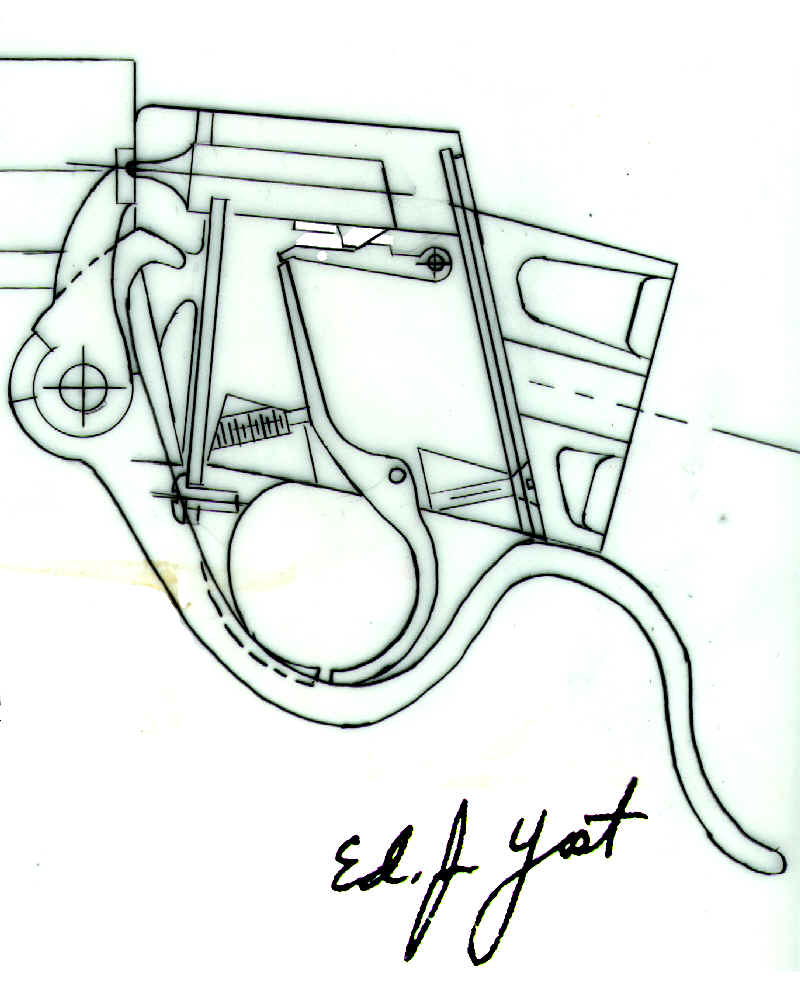
One of Ed Yost's concept drawings for his Lechner Action.
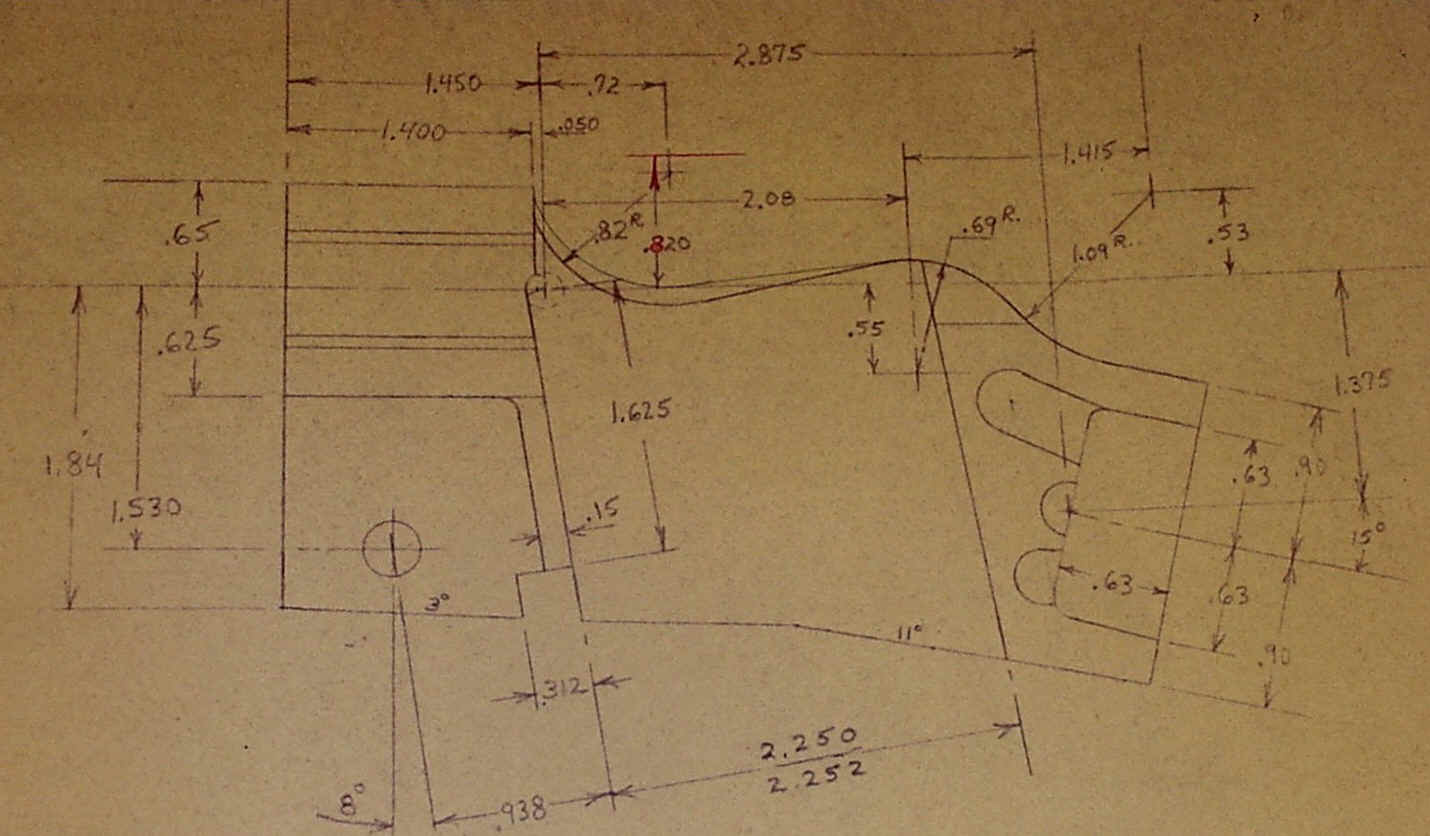
Ed Yost's detail drawing for machining his Lechner action.
"The lever from an Aydt was used as a pattern to make an investment casting with necessary changes to the design. Also changed to a draw bolt stock and used the double set trigger mentioned earlier, stamped #177."
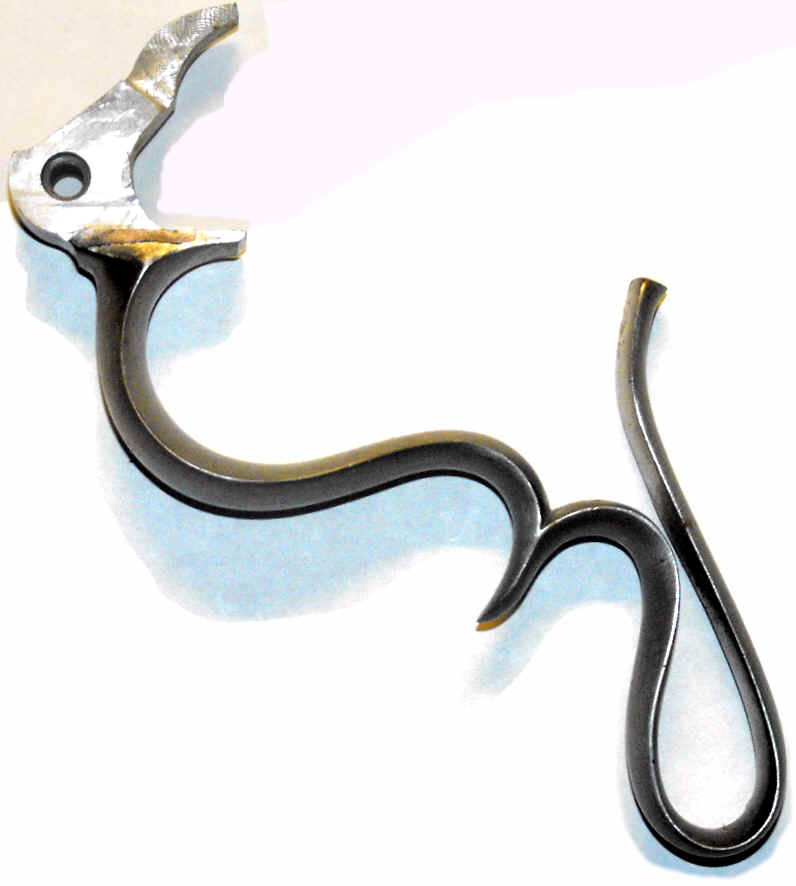
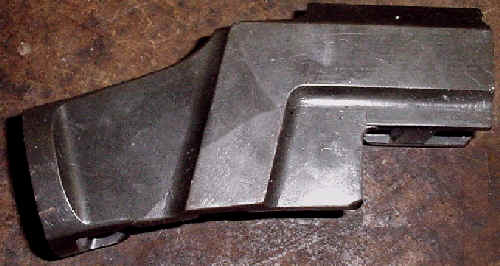
Original Aydt lever was was copied for Ed's Lechner project.
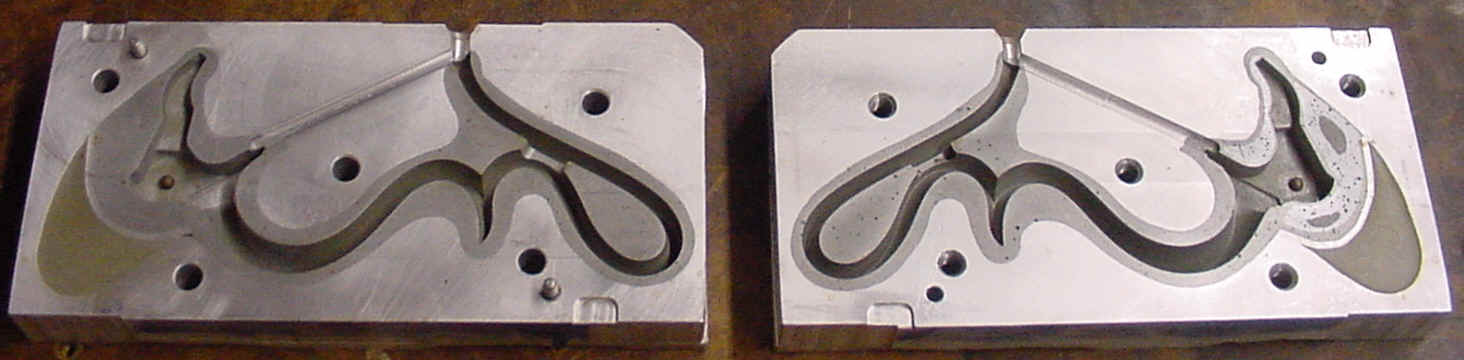
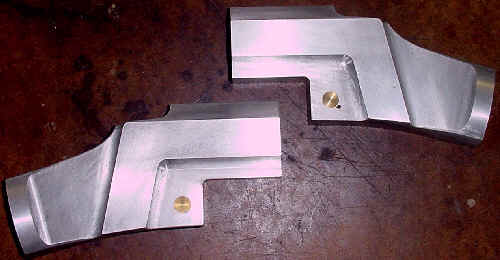
Investment casting blocks were fabricated by Ed Yost to make the Aydt style lever for his Lechner action.
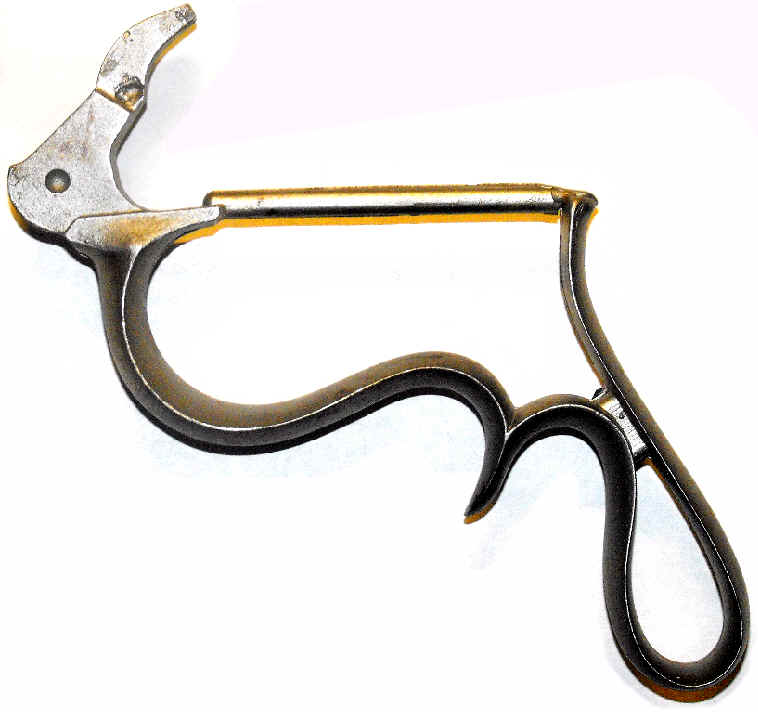
The Aydt lever rough casting from Ed Yost's mold.
"The receiver was made of 4140 in two halves – mirror image – and welded together around the centerline. It took me almost two years to complete it including rifling the barrel in .30 cal in 14" twist. The project turned out well and I enjoyed shooting it for many years."
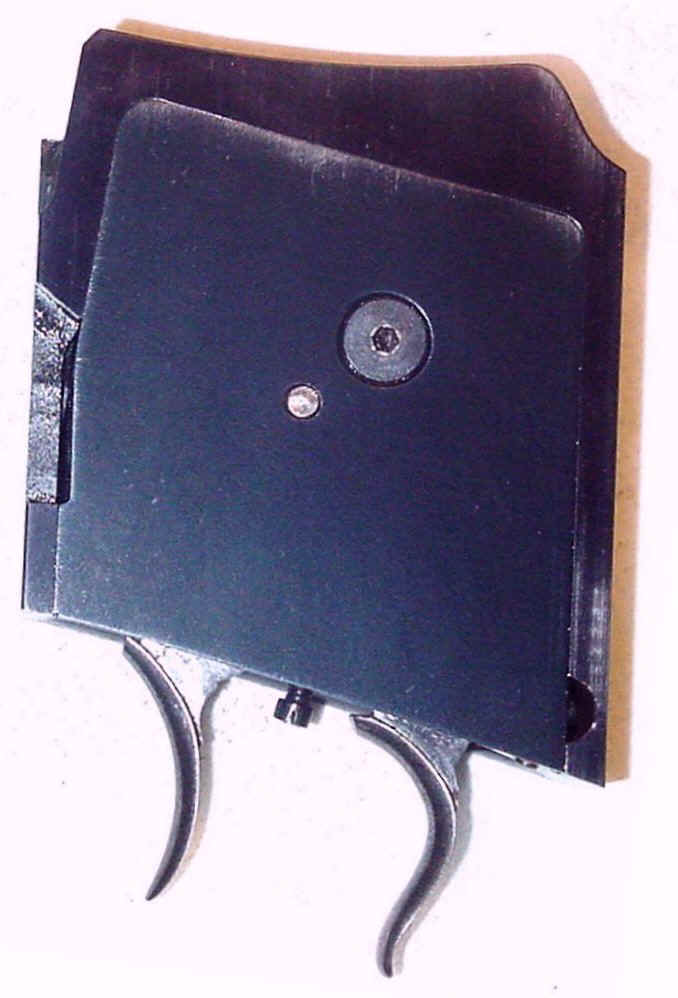
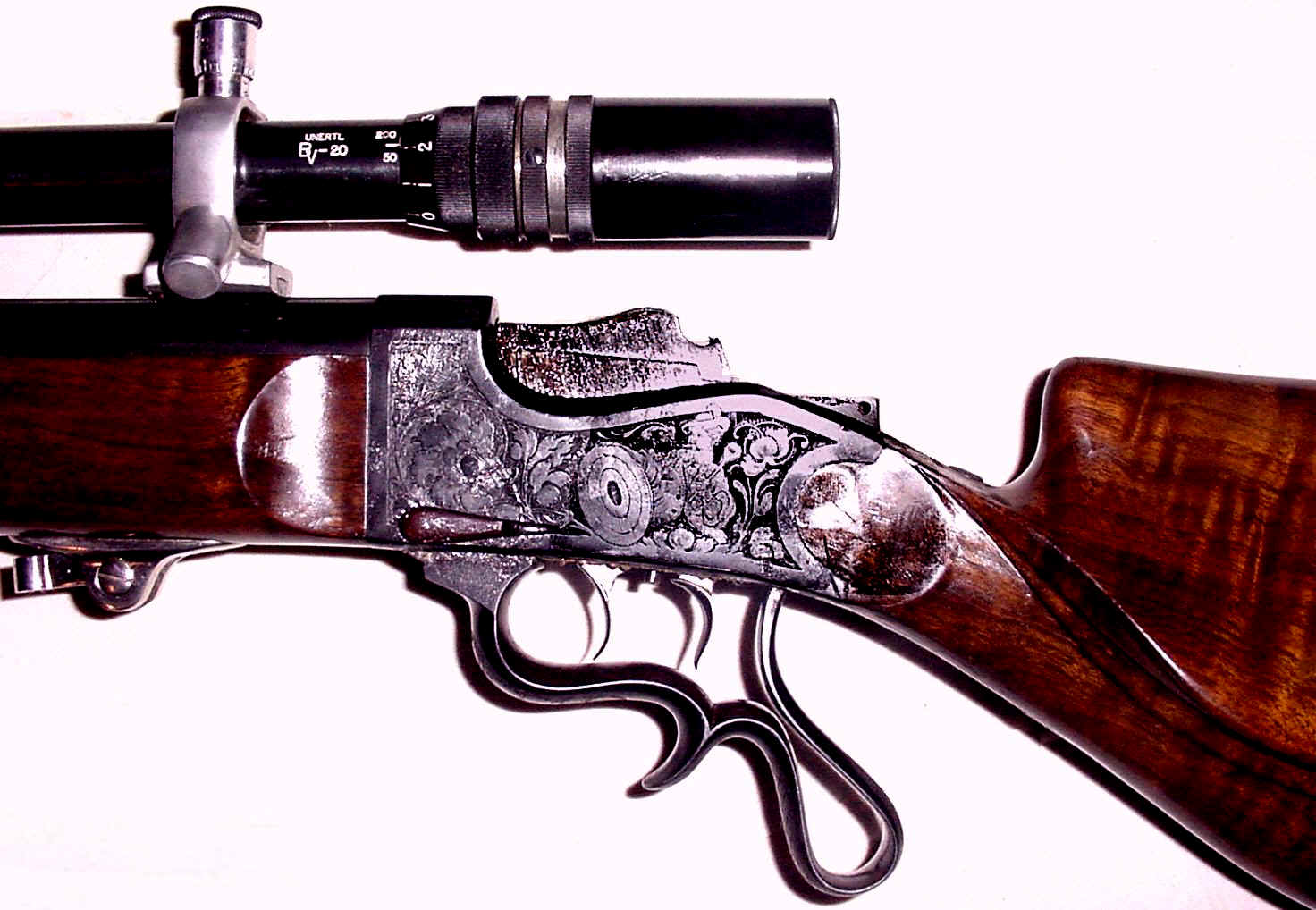
Completed Yost / Lechner breechblock. Removable cover plate reveals striker system with set trigger.
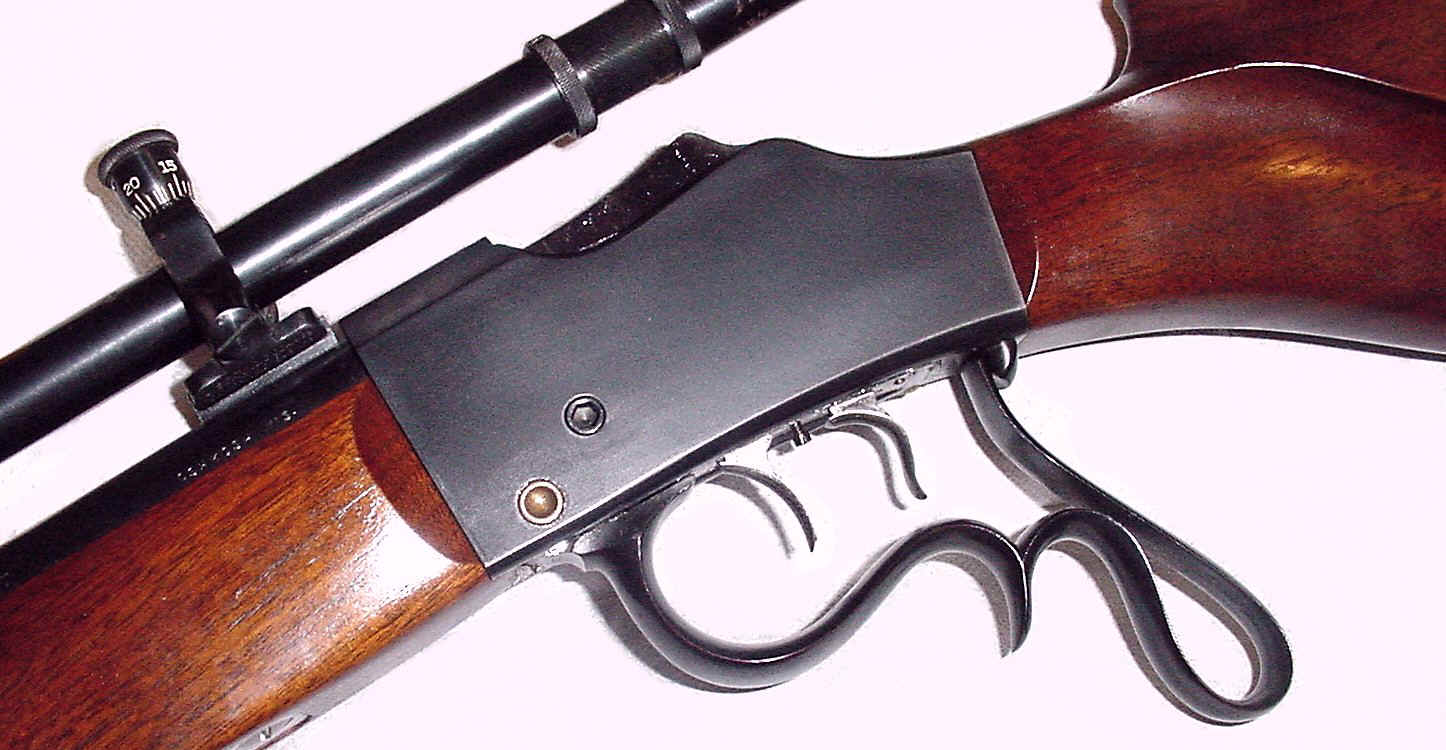
The Completed Yost / Lechner rifle in .357-.308 caliber.
"But a shooter never has enough rifles and about 1981 I started thinking about a totally new design. This would not be a copy of anything else like I had done with the Lechner and others before me had done.
I sat down one evening and drafted the features that my experience with Schuetzen rifles seemed to dictate and would satisfy me. These were the following:"
1. Striker Design.
2. Short Fast Lock Time.
3. Long Barrel Shank.
4. All Flat Springs.
5. Inclined Breech Block.
6. Positive Locking.
7. Cam Operated – No Linkage
8. Three Lever Trigger.
9. No Cover Plate.
10. No Exposed Pins or Screw heads.
11. Forearm Rail Full Floating Barrel.
12. Through-Bolt Stock.
13. Traditional Design.
14. Presented as a Schuetzen Action Primarily for Offhand use.
15. Based on 32-40 or smaller Rim Size.
One of Ed Yost's concept drawings for his own action design.
"The above was quite a challenge but had to be met. My first thought was to make three actions from stock the hard way, but then if successful, would be too costly to make more. So, I decided to go the investment casting route right away for the three major parts. It took the greater part of a year to design the action and the three molds to the point where I could go from drawings to metal. The following winter was required to make the three molds for the major parts."
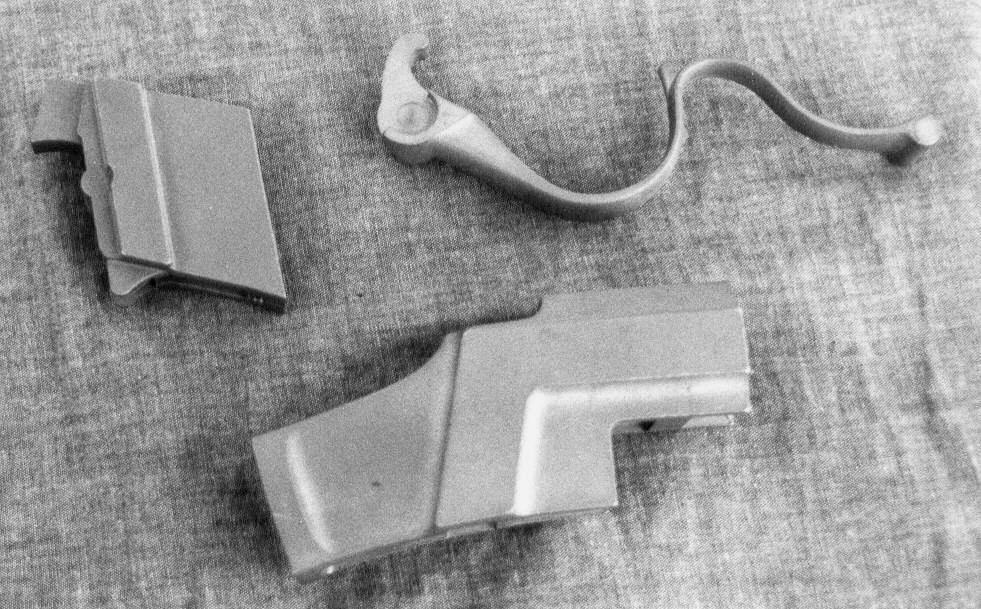
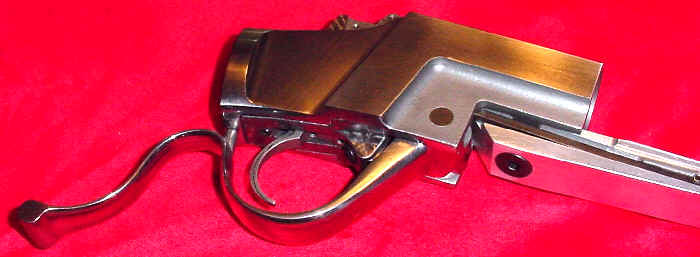
The 3 major parks of the Yost Action; Breechblock, Action, and Lever.
(see the web page on the Yost manufacturing for details)
"Through my shop activities at work, I became acquainted with some people at a local investment foundry. They agreed to run three each of my parts to help me get started but with no guarantee that a larger number would be run later on. This was good news and at last I had the hope of being able to complete three rifles for my own use and enjoyment. These first castings were of excellent quality and in due time I managed to machine those and the related small parts into completed actions, one a .22 cal rimfire and two in .32 cal. These three rifles functioned very well and proved the project was very successful and fulfilled my wildest dreams."
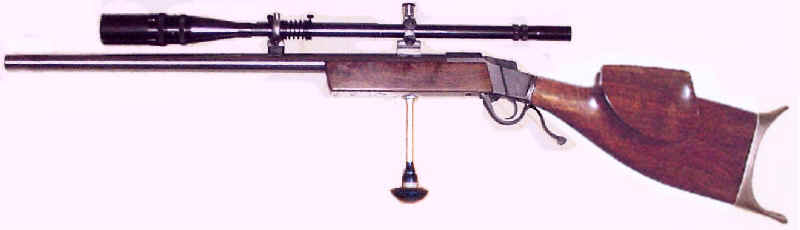
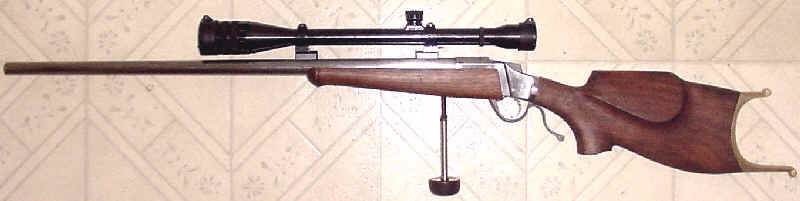
Ed Yost with his first completed prototype Single Shot Schuetzen Rifle in 22 rimfire caliber. 1985
Ed Yost's First prototype rifle was a .22 rimfire caliber with a Douglas barrel. 1985
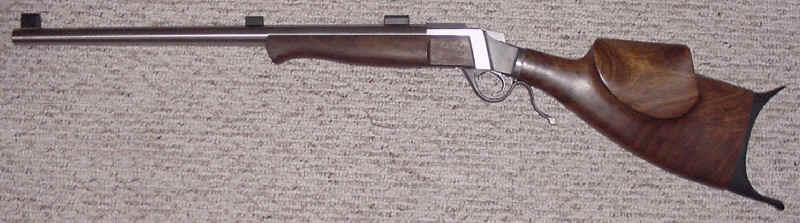
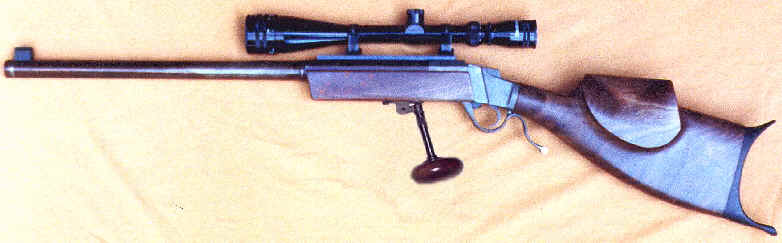
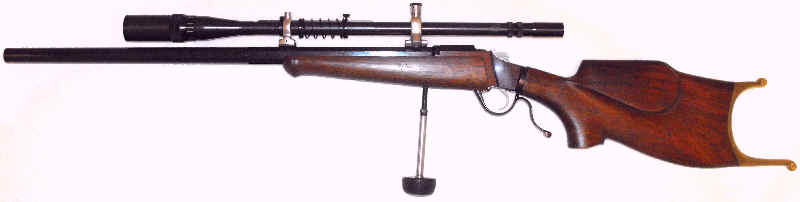
Ed Yost's second prototype rifle was a .32-40 caliber with a Douglas barrel. Gifted to son. 1985
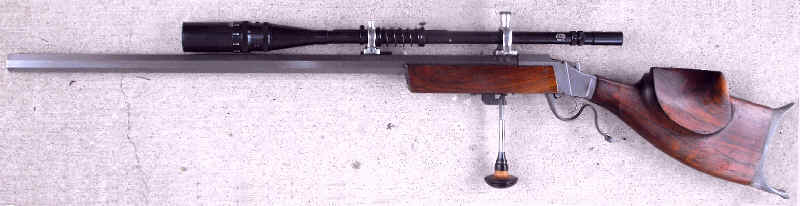
Ed Yost's third prototype rifle was a .32 YOST cartridge of his own design with an original Remington Hepburn barrel. 1985
"It wasn’t long that the members of our local Black Wolf Schuetzen club and other shooting friends started to press me to supply them with actions. It was suddenly evident that a part time hobby would lead into work and more pressure to produce than I was willing to accept.
About this time my health started to present me with choices we would like to avoid .......... .
.......... During the spring of ‘85’ .......... treatment slowed down my ability to get much done and by spring of ‘87’ I was forced into medical disability .......... .
I decided that while I was still ambulatory and could do anything at all, I would continue the action project. The decision was made to cast a small initial run of about thirty parts each and develop a system to produce each part complete before moving to the next one.
The original foundry who cast the first three prototype parts had a change in management and went to full automation and would no longer produce short runs. This forced me to search for a new source for castings. There are plenty of investment foundries in Wisconsin so I assumed I would have no problem getting one to work with me. Not so! The first contact would not run gun parts, period, so turned me down. The second contact claimed to not run gun parts or parts for the dental and medical professions, too much chance of being sued by our illegal system with too many lawyers able to manipulate our Judges and Juries. The third contact would not cooperate either, claimed that I, being an individual, with shallow pockets may not pay my bill.
Finally, the forth contact agreed to look at my molds and recommend slight changes to suit their equipment and after I agreed to pay up-front money to cover first run set up charges would run parts for me. So, 28-30 each of the three major parts were cast during the early spring of ‘88’. These were of good quality but still required straightening of the lever and receiver due to shrinkage and slight distortion.
The receiver, being the major part, was selected for machining first and complete all operations short of heat treatment and then followed with the lever. At this time I decided to give up on running 28-30 parts of each because of inability to spend the time required and decided to run 10 each of the small parts to get a few completed sooner. 8-15-90 ....."
Sadly, Ed Yost completed only 8 of his first 10 production rifles, passing away only 4-1/2 months after writing the letter above.
Seven of the 10 original production rifles went to his fellow shooting buddies of the Black Wolf Schuetzen club.
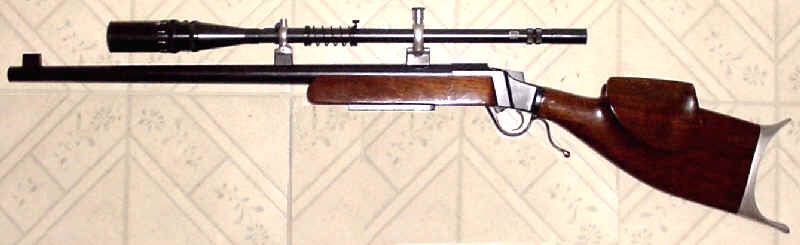
Ed Yost's first production action was built into a rifle for one of the local Black Wolf Schuetzen club members in .32-40 caliber with 31" octagon B. W. Darr barrel. 1989
Ed Yost's second production rifle was built for one of the local Black Wolf Schuetzen club members in .30 Herrett caliber with a Krieger barrel. 1989
Ed Yost's third production rifle was built for one of the local Black Wolf Schuetzen club members in .32-40 caliber with an Arawinko near-pope barrel. 1989
Ed Yost's tenth production action was completed 2 years after his death for an ASSRA member. 1992
It was later built into a Schuetzen rifle in .375 Win caliber with a Douglas Octagon/Round barrel.
~~~~~~~~~~~~~~~~~~~~~~~~~~~~~~~~~~~~~~~~~~~~~~~~~~~
Only 33 Yost Actions were fully completed.
~~~~~~~~~~~~~~~~~~~~~~~~~~~~~~~~~~~~~~~~~~~~~~~~~~~
Ed Yost's lifetime production of his "Yost Rifle Action" was 37 actions.
These consisted of his first 3 "prototype" actions, (all 3 completed into rifles and used by Ed) - and 34 "production" actions. (only 10 being completed by Ed)
Of the remaining 24 production actions, 20 were assembled and completed, after Ed's Death. 1992 - 1993.
The last 4 actions remained incomplete and remained with the tooling. 2006
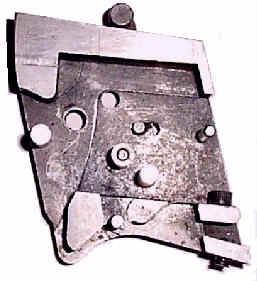
Of these last 4, one action and breechblock was destroyed and cut-in-half to be used for study.
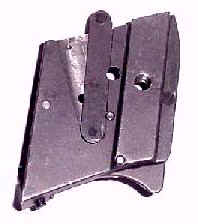
I'm sure that Ed would be happy to know that his Yost Actions are being enjoyed by shooters to this day.
Mr. Edward J. Yost (1923 - 1990)
Copyright 2006-2015, yostactions.com Neenah, 54957